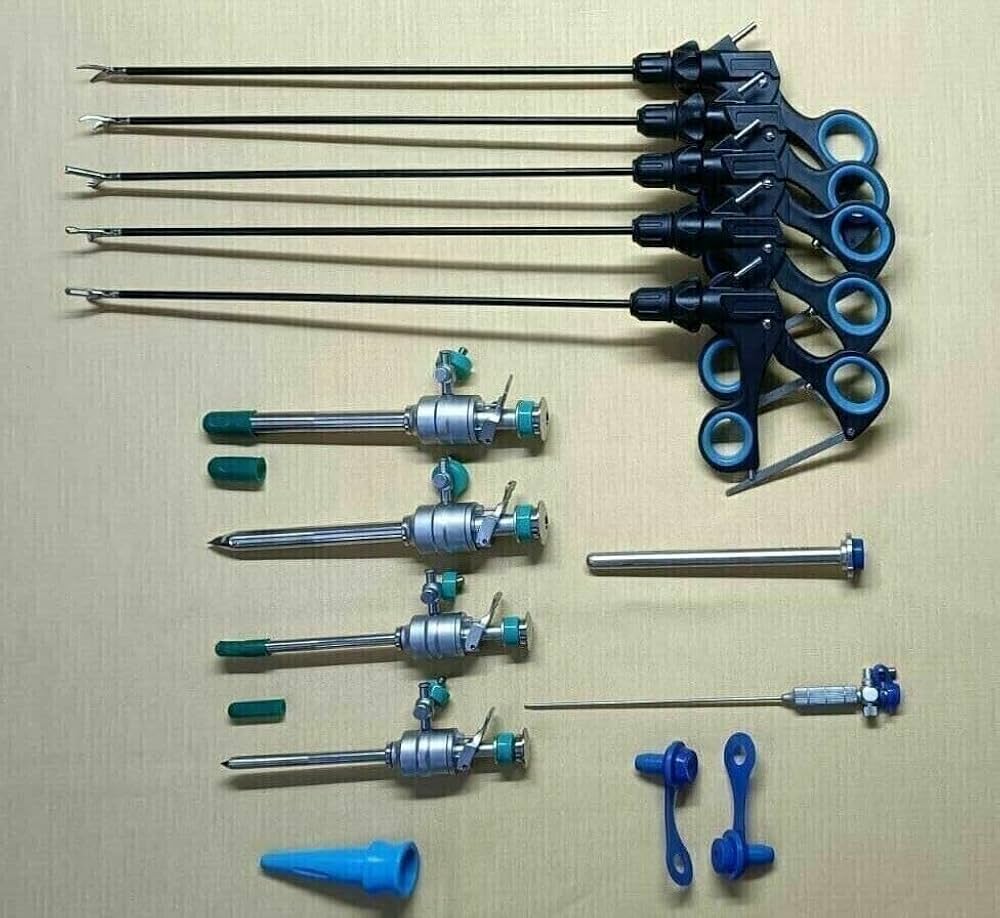
The quality and precision of surgical instruments are paramount in determining the success of medical procedures and, consequently, patient outcomes. Surgical instruments are the primary tools used by medical professionals to perform delicate procedures, from routine surgeries to highly complex operations. The slightest defect or lack of precision in these tools can lead to complications during surgery, including tissue damage, prolonged recovery times, or even life-threatening situations. High-quality surgical instruments are crafted with precision, ensuring they perform their intended tasks effectively and safely.
When surgeons use substandard tools, the risk of error increases. Poorly designed or low-quality instruments may not align correctly, leading to inaccurate incisions or inadequate tissue handling. This can result in infection, excessive bleeding, or incomplete surgical procedures. On the other hand, high-quality instruments are built to exact specifications, providing superior precision, durability, and ease of use. For example, sharp, finely calibrated scissors and forceps allow surgeons to make precise cuts, while robust and well-designed clamps help control bleeding effectively.
Choosing high-quality surgical instruments is also crucial for reducing the risk of postoperative complications. High-quality tools enable better control during surgery, minimizing the potential for accidental injuries, such as organ punctures or nerve damage. Additionally, premium surgical instruments are made from durable, corrosion-resistant materials, ensuring that they maintain their sharpness and strength throughout numerous uses. This longevity and reliability lead to fewer instrument failures, reducing the need for repairs or replacements and ensuring that surgeries are performed as efficiently as possible.
In conclusion, the quality and precision of surgical instruments play a critical role in patient outcomes. High-quality tools improve surgical accuracy, reduce the risk of complications, shorten recovery times, and enhance the overall effectiveness of procedures. For medical professionals, choosing superior instruments is not just a matter of convenience; it is a responsibility that ensures patient safety and satisfaction. It’s a decision that directly impacts the success of surgeries and the well-being of patients, making it essential to prioritize quality when selecting surgical tools.


A WordPress Commenter
May 12, 2025Hi, this is a comment.
To get started with moderating, editing, and deleting comments, please visit the Comments screen in the dashboard.
Commenter avatars come from Gravatar.