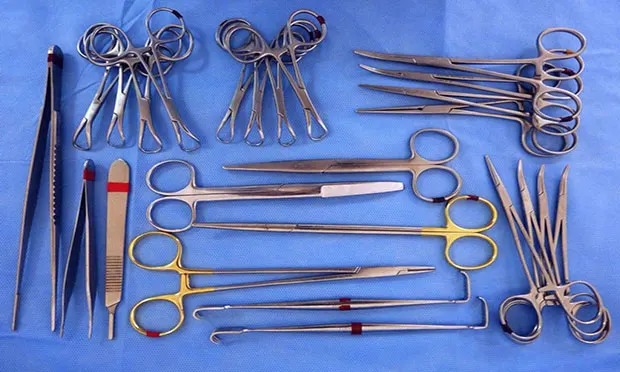
During any surgical procedure, especially open abdominal surgery, the use of the correct instruments is absolutely critical to ensure safety, efficiency, and the best possible outcomes for the patient. Surgery is a precise science, and each instrument used in the operating room has been carefully designed for a specific function, whether it’s cutting, dissecting, clamping, retracting, or suturing. A wide array of surgical tools exists, and the choice of instrument depends largely on the nature of the procedure being performed. While some instruments are common across various types of surgeries, each surgical specialty often has its own unique set of tools suited to the specific tissues and structures encountered in that field.
For general abdominal surgeries, such as appendectomies, hernia repairs, or bowel resections, there is a core group of instruments that are routinely used. These include scalpels, scissors, forceps, retractors, needle holders, and clamps. Each of these categories contains various types of instruments designed for different levels of precision or tissue types. For instance, scalpels are used for making incisions through skin and deeper tissues, while Metzenbaum scissors are preferred for more delicate tissue dissection. Hemostats and artery forceps help control bleeding by clamping blood vessels, whereas needle holders are essential for suturing and wound closure.